


Clay that moves
Dunwoody clay has high plasticity, which means it swells a lot when wet and shrinks when dry. That movement opens cracks in foundations and slabs.
When the clay swells, it pushes on basement walls and presses on the footing drains that carry water away.
Oaks, roots and cove joints
Many Dunwoody homes are multi-level with daylight basements. The neighborhoods have a thick canopy of mature oaks and sweet gums, whose roots search for water.
Roots can crush or fill clay footing tile around old foundations. When the drain fails, groundwater has no path away and rises at the cove joint where the wall meets the slab.
Problems Dunwoody homeowners run into
- Roots crushing footing drains
- Oak and sweet gum roots find water in old clay tile. The drain fills, and water rises at the basement cove joint.
- Cove-joint seepage in daylight basements
- The joint where the wall meets the slab is the lowest seam. It weeps first after a long rain.
- Long attic runs over finished floors
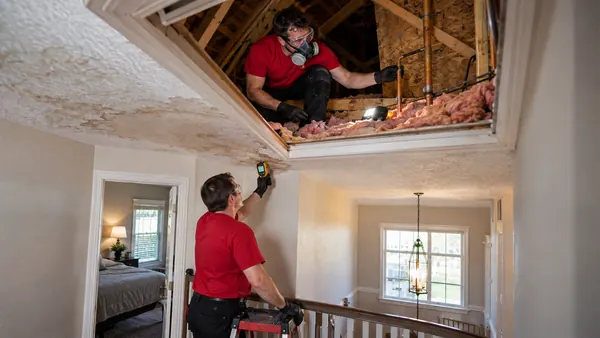
- Multi-level homes have supply lines and HVAC drains across big attics. A leak travels through several floors.
- Leaks in apartments and condos
- Buildings near the business district share walls and stacks. A single failure can reach several units.
A typical Dunwoody call
After a hard afternoon storm, the owner of a traditional multi-level home goes down to the daylight basement and finds a damp line along the back wall at the floor. The yard has several large oaks, and the downspouts have been fine for years.
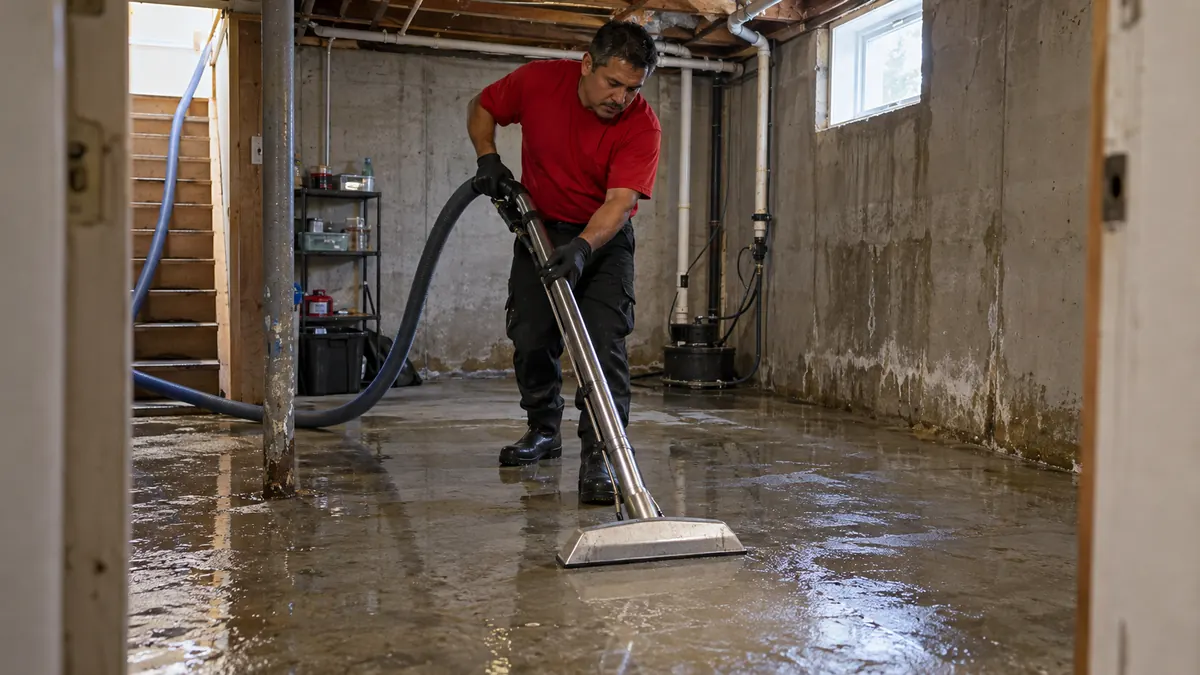
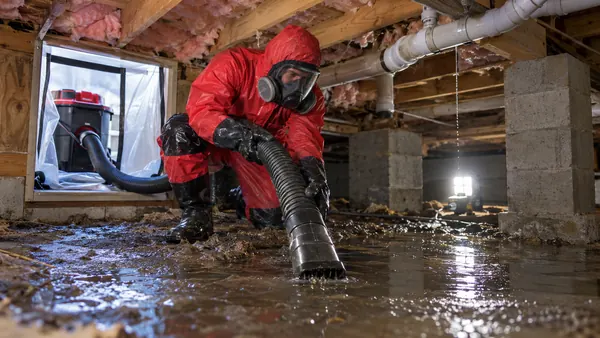
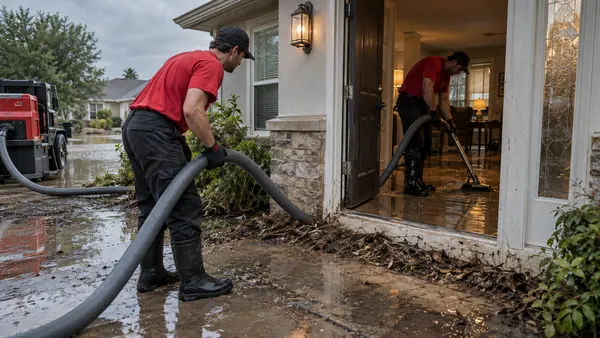
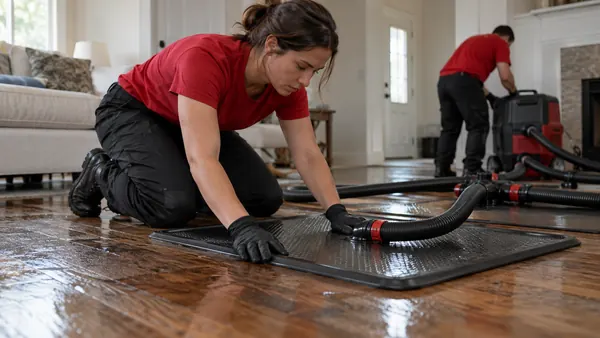
We pump and extract the slab, then read the wall. The wettest points run in a line right along the cove joint, which is the classic sign of water backing up in a footing drain. The yard water also took more than a day to drain after the storm, which fits a clogged or root-filled drain.
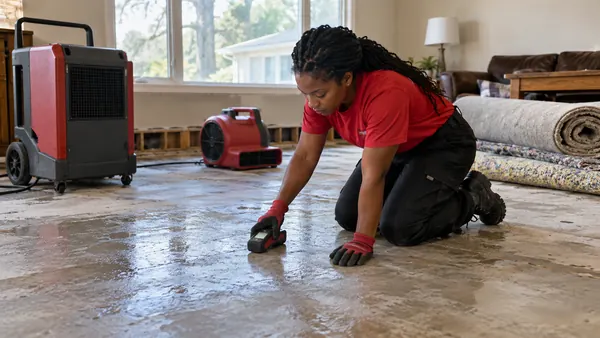
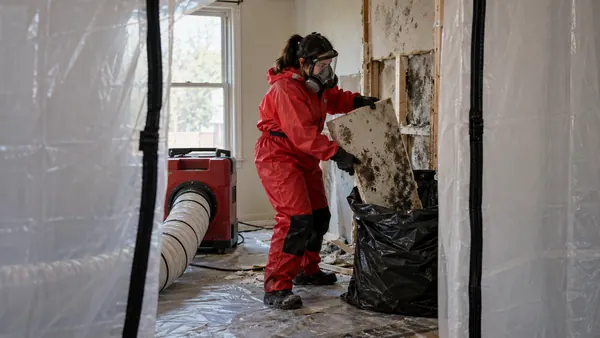
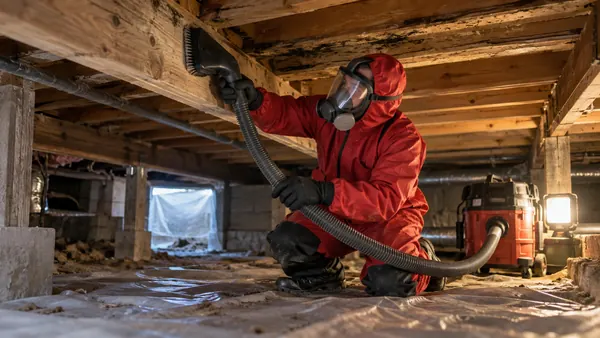
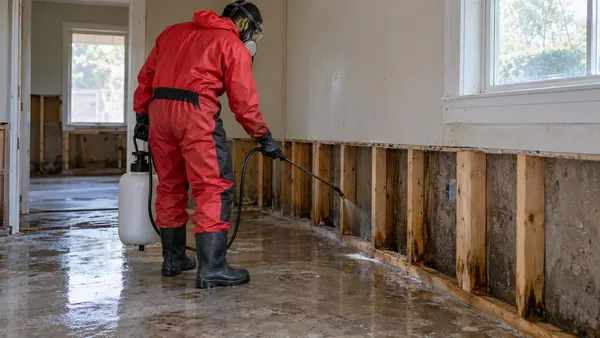
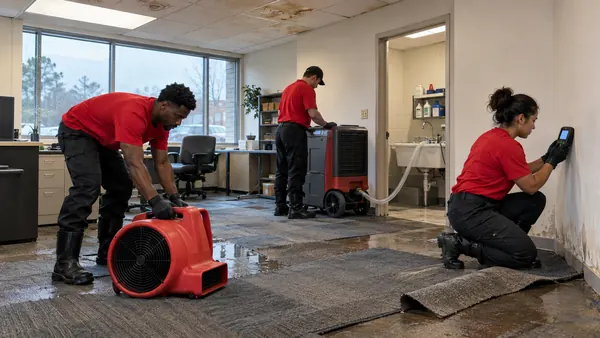
We dry the wall base, remove a short section of wet carpet pad and set dehumidifiers. We cannot clear the drain, but we write the pattern into the report with photos and recommend that a drainage company scope the line. The owner gets answers before the next long rain.
What mature trees do to the drains
Roots go where the water is. A footing drain that works for decades can fill with roots in one wet year. The signs are subtle.
A damp line at the cove joint after a long rain, and water that takes a day or more to leave the yard, both point to a problem.
- Standing water in the yard for more than a day after rain
- Damp cove joint in the basement
- Sweet gum and oak roots near the foundation
- Sump pump running longer than it used to
What we tell Dunwoody homeowners
If your yard has big oaks, ask when your footing drain was last checked. A drain that worked in a dry decade can clog in one wet season, and you will not know until the cove joint shows damp.
We cannot clear the drain, but we can tell you whether the water pattern looks like a drain problem. That helps you decide whether to call a drainage company before the next storm.
How the year goes in Dunwoody
Spring is the basement season. Summer storms drop limbs and open roof leaks. Winter cold hits attic lines in tall homes.
Winter and burst pipes in Dunwoody
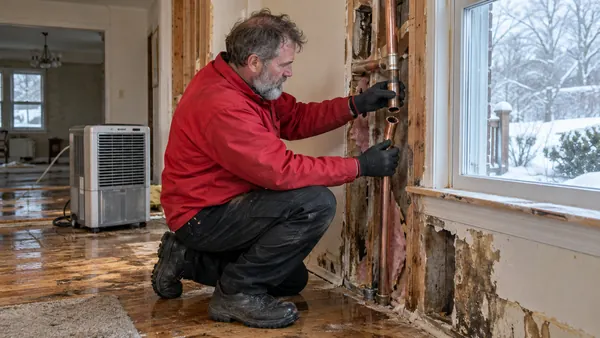
Multi-level Dunwoody homes have long attic runs, and condos near the business district share risers. A freeze in the attic can wet three floors, and burst pipes in a stack can reach units above and below.
Water Damage Restoration Cost in Dunwoody, GA
Dunwoody basement and multi-level jobs follow these bands. They are typical estimates, not guaranteed prices.
| Job type | Typical estimate |
|---|---|
| Cove-joint seepage and drying | $1,200 – $3,000 |
| Finished daylight basement cleanup | $3,000 – $8,500 |
| Sump pit failure cleanup | $1,200 – $6,000 |
| Attic leak dry-out across floors | $2,000 – $9,000 |
| Wall cavity drying | $800 – $4,000 |
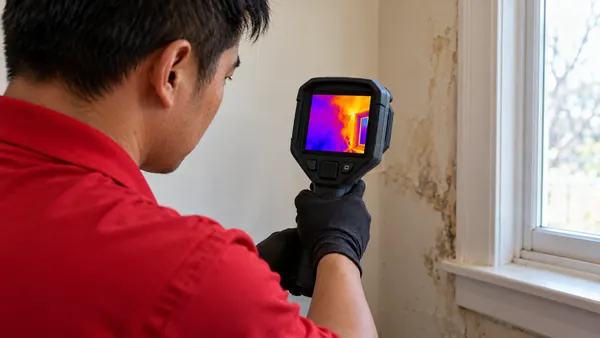
| Thermal scan to map damp | $250 – $900 |
Typical estimates, not guaranteed prices. Plumbing, drainage and rebuilding are separate. Call for an exact quote.
What we get called for in Dunwoody
- Hydrostatic Clay-Bowl Water ExtractionCove-joint seepage and shear cracks.
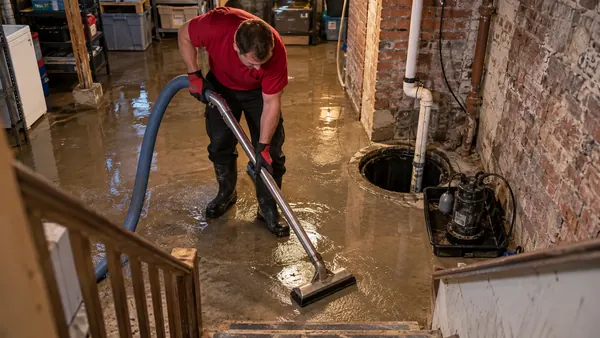
- Sump Pump Failure Flood CleanupPits and pumps that fall behind.
- Attic Pipe Burst Multi-Floor Dry-OutMulti-level homes with long attic runs.
- Structural Cavity & Drywall DehumidificationFinished basement walls.
Questions from Dunwoody homeowners
Can tree roots really damage drains?
Yes, especially old clay tile. Roots enter the joints and block flow.
Do I need excavation?
That is a contractor's decision. We dry and report.
Do you work on daylight basements?
Yes. They are a large share of our Dunwoody calls, from cove-joint seepage to finished rooms that need wall and floor drying.
Will the wall crack?
Shear cracks are possible with soil pressure. A contractor can assess them.
Nearby communities we also cover
Dunwoody borders Sandy Springs, Chamblee and Peachtree Corners, and our crews cover them all.