Why commercial buildings take the hit
The city is known for its technology park, corporate campuses and mixed-use centers. Along Peachtree Parkway, Holcomb Bridge Road and around The Forum, large roofs and surface parking send a lot of storm water to a small number of drains. A clogged scupper in a summer thunderstorm can put an inch of water across a floor.
Multi-tenant buildings share walls, ceilings and mechanical lines. A failed condensate line or a broken sprinkler head in one suite can soak the units beside and below it. Georgia humidity then slows the drying, so a wet carpet-tile floor left over a weekend costs more than it would in winter.
Clay soil adds a third source. Parking areas and slab-on-grade buildings sit on ground that holds water, so after several wet days a low dock door or a below-grade entry can take water from the outside even when the roof is sound.
What commercial water loss looks like
A business loss rarely starts as one clean puddle. It starts as a small clue that someone has to connect to the cause.
- Ceiling tiles stained, sagging or dropping in office suites
- Carpet tile lifting or smelling musty after a roof leak
- A sprinkler or fire-line leak that wets several suites at once
- Rooftop HVAC condensate dripping through ceilings below
- Storm water coming in under dock doors or glass storefronts
- Wet drywall behind built-in fixtures, cabinets and break-room sinks
- A floor drain that backs up in a restaurant kitchen or a restroom
Where commercial water actually comes from
Most commercial losses fall into five sources, and each one calls for a slightly different plan. Knowing which one you have, before the call, helps us bring the right crew and equipment.
- Roof and flashing leaks that travel across a plenum before they drip
- Rooftop HVAC drains and condensate lines that overflow into ceilings
- Fire sprinkler heads and risers that fail or are struck
- Supply lines, water heaters and break-room appliances
- Storm water at dock doors, glass entries and low parking-lot drains
How we run a commercial job
Walk the whole building
We map every wet suite and hallway, and agree on phases with the property manager before equipment goes in.
Keep the business running
Where possible, we contain wet zones and route equipment and cords so open areas stay usable.
Extract at scale
Truck-mounted units and high-volume pumps clear slabs fast. Wet ceiling tile and carpet tile come out.
Protect what matters
Inventory, files, servers and fixtures are moved or covered. Furniture is lifted off wet floors.
Dry the footprint
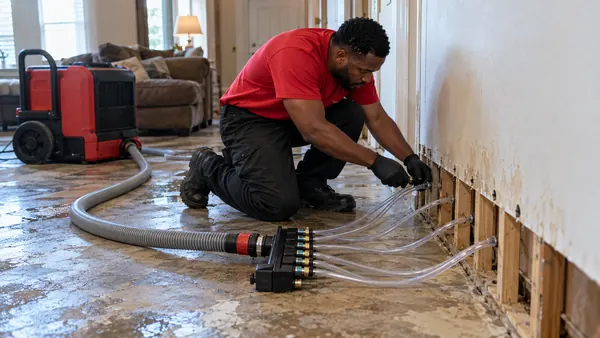
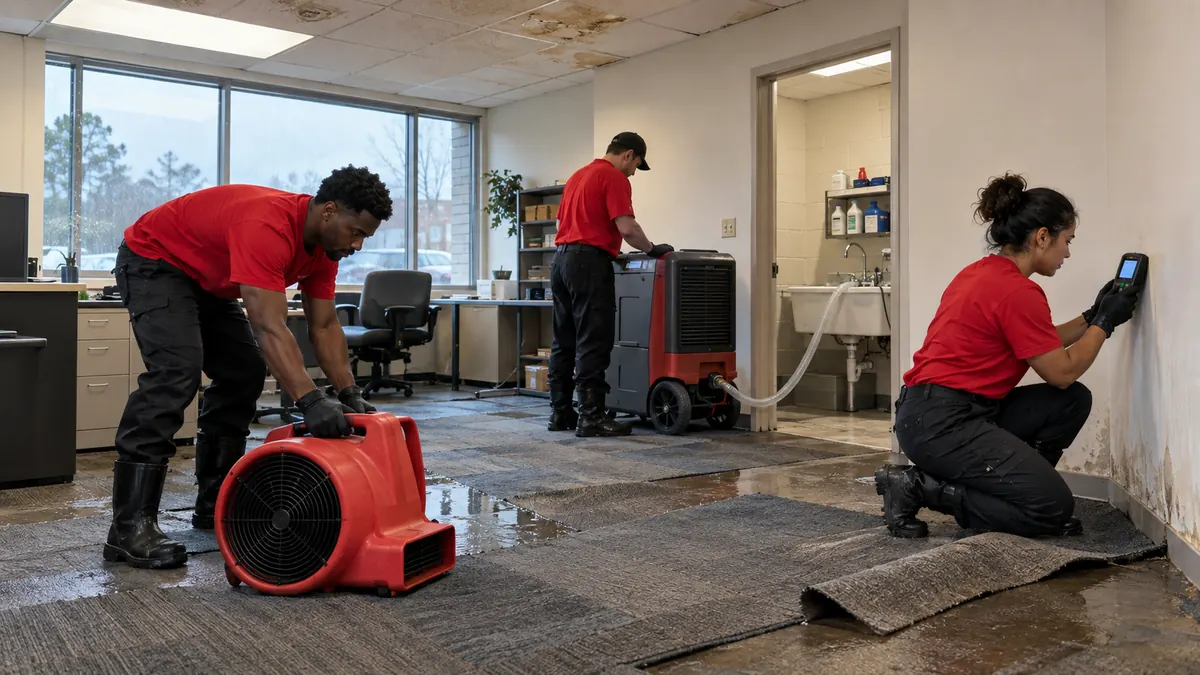
Industrial air movers and low-grain dehumidifiers are placed so the building dries evenly.
Track every suite
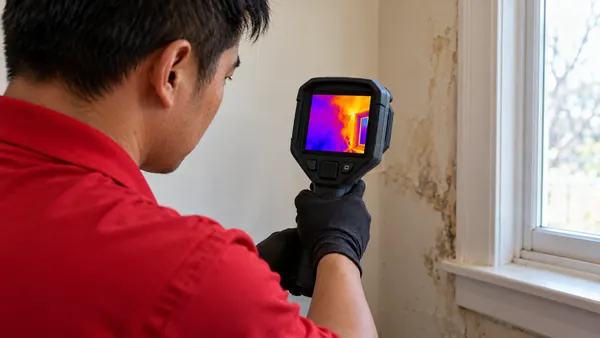
Moisture readings are charted by room, with a daily status for tenants and owners.
Document for the carrier
Photos, logs, equipment records and a written scope are organized for your adjuster or risk manager.
Phased drying that keeps the doors open
We start by agreeing on phases with the property manager. Phase one is life safety and the water that is still moving: shutting the source, protecting electrical and getting standing water out. Phase two is containment, so wet zones are sealed off and the open areas keep working. Phase three is drying and monitoring, and phase four is the handover with records.
In an occupied building, loud equipment is scheduled around business hours where we can, and cords and hoses are routed clear of walkways. IT closets, files and inventory are protected first. If a suite has to close, we tell the tenant how long, in days, and why.
Frequent commercial problems
- Water traveling across a shared ceiling plenum to a tenant three suites away
- Carpet tile glued to a slab that traps water underneath
- Wet files, servers and inventory on bottom shelves
- Roof leaks that reappear because the roof was not repaired
- Drywall behind wall-mounted fixtures that stays wet after the surface dries
- Mold that starts in a closed suite over a long weekend
What property managers and carriers need from us
Commercial claims go through several hands. The property manager needs a clear status each day. The owner needs a scope and a timeline. The carrier needs documents. Tenants need to know when they can return.
We send a short daily update with moisture readings by suite, equipment counts and the next step. At the end you get a written scope, photographs, equipment and drying logs and a floor plan marked with the wet zones. If several carriers are involved, we separate the records by tenant.
- Daily status by suite
- Moisture map and photos
- Equipment and drying logs
- Written scope of what was removed
- Tenant-by-tenant records when needed
Steps for the facility manager
- Shut off the water source and, if safe, power to the wet section
- Move inventory, files and electronics off the floor
- Tell tenants and employees which areas to avoid
- Photograph the damage before any cleanup begins
- Find your insurance policy number and the carrier's claims line
- Call us, and send the floor plan if you have one
The first four hours of a commercial call
In the first hour we get on the phone with whoever is on site, learn where the water is and tell them what to shut off and what to move. In hour two the crew arrives, checks for electrical hazards and starts extraction. By hour three we have a moisture map of the main wet areas and a list of what has to come out. By hour four the equipment is set, the building has a plan and the manager has a written first update.
Commercial storm damage dry-out cost
Commercial losses vary the most. These are typical estimates for the metro Atlanta area, not guaranteed prices. Square footage, number of tenants, and whether we work nights and weekends change the number. Call for an exact quote.
| Job type | Typical estimate |
|---|---|
| Single office or retail suite | $2,000 – $8,000 |
| Medical or dental suite, clean water | $3,000 – $10,000 |
| Restaurant kitchen with backup or leak | $3,500 – $12,000 |
| Several connected suites or one floor | $8,000 – $30,000 |
| Large footprint or multi-tenant building | $30,000 and up |
| After-hours and weekend labor | Added to the scope |
| Daily equipment monitoring | Included in drying visits |
Questions we hear about this
Can you work while we stay open?
Often, yes. We isolate wet areas, run equipment away from public spaces and phase the work to fit your hours.
Do you handle large buildings?
Yes. We bring truck-mounted extraction, industrial dehumidifiers and extra crew for large loss events.
Will you talk to my insurance adjuster?
We give your carrier the documents they need, including photos, logs and a scope. You deal with the adjuster, and we back you up with the records.
What about tenants?
We can send a daily status you can share with tenants and owners, and coordinate access.
How long does it take?
Most commercial drying runs three to seven days, depending on materials and humidity. Larger losses take longer.
Do you work nights and weekends?
Yes. The emergency line is open 24/7, and we can run overnight or weekend shifts when a building has to reopen quickly.
Can you handle mold if it has already started?
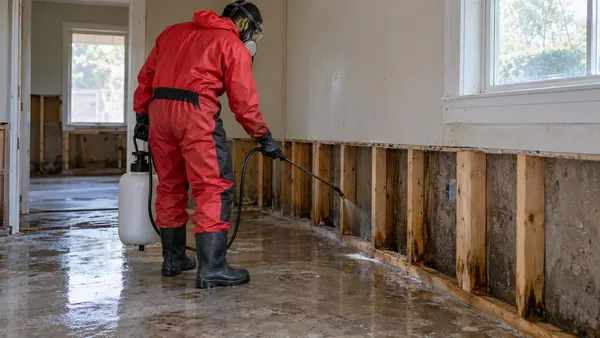
Yes. If growth is found, we contain it, remove affected materials and dry the cavity, and keep tenants informed.
Where we see this most
- Norcross, GACommercial corridors and downtown storefronts near Jones Bridge Road.
- Alpharetta, GAOffice parks and mixed-use centers around Avalon and North Point.
- Doraville, GARetail and light commercial buildings along the Buford Highway corridor.
- Dunwoody, GAOffices and apartments near the business district that share walls and risers.
- Sandy Springs, GAMid-rise offices and condos where one leak reaches several units.
Read next Who pays for water damage in a rental or multi-tenant building.