












Clay and air in Duluth
The soil in Duluth is mostly upland red clay with a lot of kaolin in it. Kaolin clay swells when it is wet and shrinks when it dries, and it moves slowly enough that water lingers under a house for days after rain.
That matters because many Duluth houses are on crawl spaces, not slabs. The soil under the house is rarely dry, and in July the outside air that enters through the vents is even wetter.
Why the joists suffer
Many homes in the Sugarloaf Parkway and Parsons Road areas are two-story houses built from the 1980s through the early 2000s. Their crawl spaces are vented to the outside, and the HVAC ducts run through them.
Warm humid air meets a cold duct and condenses. The water drips onto the pine joists and the vapor barrier. Over several summers, the wood stays above the moisture level where mold starts, and the subfloor above can cup, squeak or sag.
Problems Duluth homeowners run into
- Condensation dripping from ducts in the crawl space
- Warm humid air from the vents meets cold ductwork and turns to water. The drips land on the joists and the plastic barrier, and the wood slowly gets wetter each summer.
- Subfloors that sag or squeak
- Damp joists lose strength, and the subfloor above starts to cup. Owners notice a bounce in a hallway or a door that sticks only from June to October.
- HVAC condensate lines that overflow
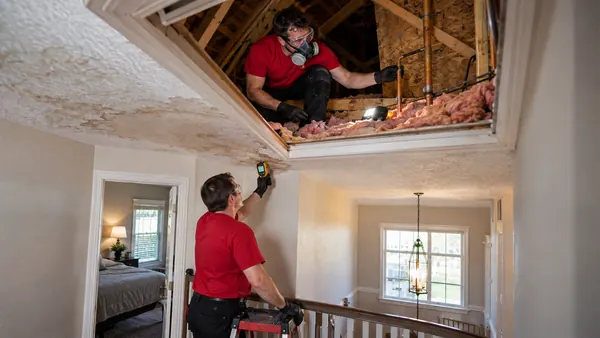
- In two-story homes the air handler is often in the attic or a closet. When its drain clogs, water runs into the ceiling below and soaks insulation without any noise.
- Mold on the underside of the floor
- Dark growth appears on the joists nearest the ducts first. The smell reaches the rooms above through floor vents and gaps around pipes.
A typical Duluth call
A family in a two-story house built in the 1990s has noticed the living room smells musty every August, and the hardwood near the hall bath has started to cup. Their inspector flagged the crawl space during a refinance and suggested a look.
We open the access and photograph what we see before touching anything: torn plastic along the north side, damp clay under it, fallen insulation, and drops of water hanging from the supply duct. The joists nearest the duct show dark growth, and the wood reads wet across a wide patch.
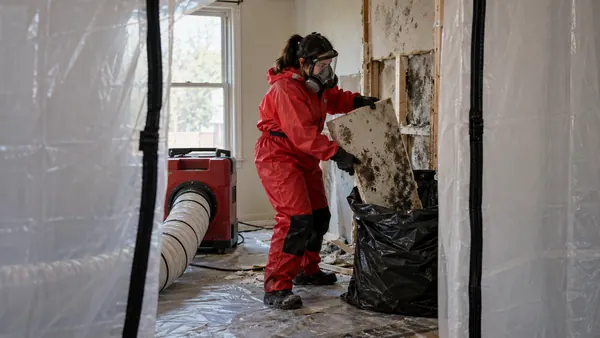
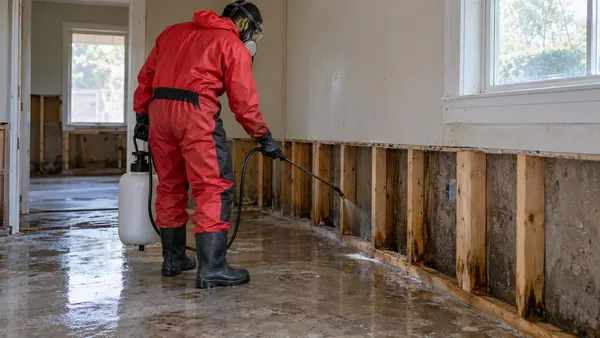
The work is plain. We seal the access from the house, remove the wet insulation, HEPA-clean the joists and subfloor, then dry the space with dehumidifiers and track the wood until it falls to a steady reading. Afterward the owner gets photos of the before and after, and a note that the duct condensation and the torn barrier are what to fix so the wood does not get wet again next summer.
A quick look under a Duluth house
If you have a vented crawl space, a look from the access door tells you a lot. Use a flashlight and stay at the opening. Do not go in if there is standing water or a smell like sewage.
Most of what we find in Duluth crawl spaces is easy to spot once you know what to look for.
- Plastic barrier that is torn, bunched up or missing in places
- Condensation or drips on the ducts
- Insulation hanging down from the subfloor
- Dark spotting on the joists nearest the ducts
What we tell Duluth homeowners
A musty crawl space is easy to ignore, because you rarely see it. But the air under your house moves into the rooms above, and the smell is the first thing guests notice.
If your floors squeak more in August or a door sticks only in summer, humidity is probably reaching the wood. A measured look under the house tells us whether it is a small fix or a full cleaning.
How the year goes in Duluth
The damp season runs from late May to early October, when outdoor humidity keeps crawl spaces wet. Heavy afternoon storms add runoff at downhill lots. Cold snaps are the second risk, with attic lines in tall houses the first to split.
Winter and burst pipes in Duluth
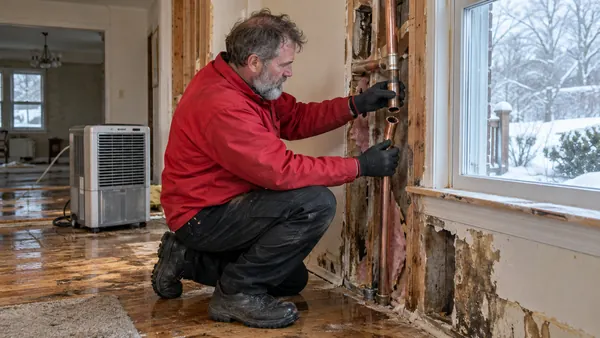
Duluth has many tall two-story houses, and the attic runs that feed upstairs baths are the first lines to fail. Lines in vented crawl spaces, below the ducts, also freeze when wind comes through the vents, and burst pipes there can run under the floor for days.
Water Damage Restoration Cost in Duluth, GA
Duluth crawl space and humidity work follows the typical bands below. They are estimates, not guaranteed prices, and the real number depends on access and the amount of wet wood.
| Job type | Typical estimate |
|---|---|
| Crawl space mold cleaning and framing drying | $2,000 – $7,500 |
| Mold removal in one or two rooms | $1,500 – $8,000 |
| Thermal scan for hidden damp | $250 – $900 |
| Attic or ceiling leak dry-out | $2,000 – $9,000 |
| Wall cavity drying behind finished walls | $800 – $4,000 |
| Hardwood drying with mat systems | $1,000 – $4,500 |
Typical estimates, not guaranteed prices. Plumbing, drainage and rebuilding are separate. Call for an exact quote.
What we get called for in Duluth
- Crawl Space Mold Remediation & Framing SanitationMold on joists and subfloor from humid vented crawl spaces.
- High-Humidity Structural Mold RemediationMold in walls and ceilings after months of damp air.
- Thermal Imaging & Hidden Moisture MappingFinding wet subfloor and cavities before they sag.
- Crawl Space Sewage & Category 3 DecontaminationOld laterals that leak into the crawl space.
Questions from Duluth homeowners
Why does my Duluth house smell musty in summer?
Humid air entering vented crawl spaces condenses on cool ducts and joists. The damp wood grows mold, and air moves from the crawl into the house.
Should I close the crawl space vents?
It depends on the space. Talk to a crawl space contractor. We clean and dry, and we tell you what we see.
Will mold under the house make my family sick?
It can affect the air in the house, so we clean and seal the area. If anyone has breathing trouble, tell us.
How long will the cleaning take?
Usually two to four days, plus drying time.
Nearby communities we also cover
Duluth borders Peachtree Corners, Suwanee, Norcross and Lilburn. Crawl space humidity is a shared problem across these cities.