
Clay pressing on basement walls
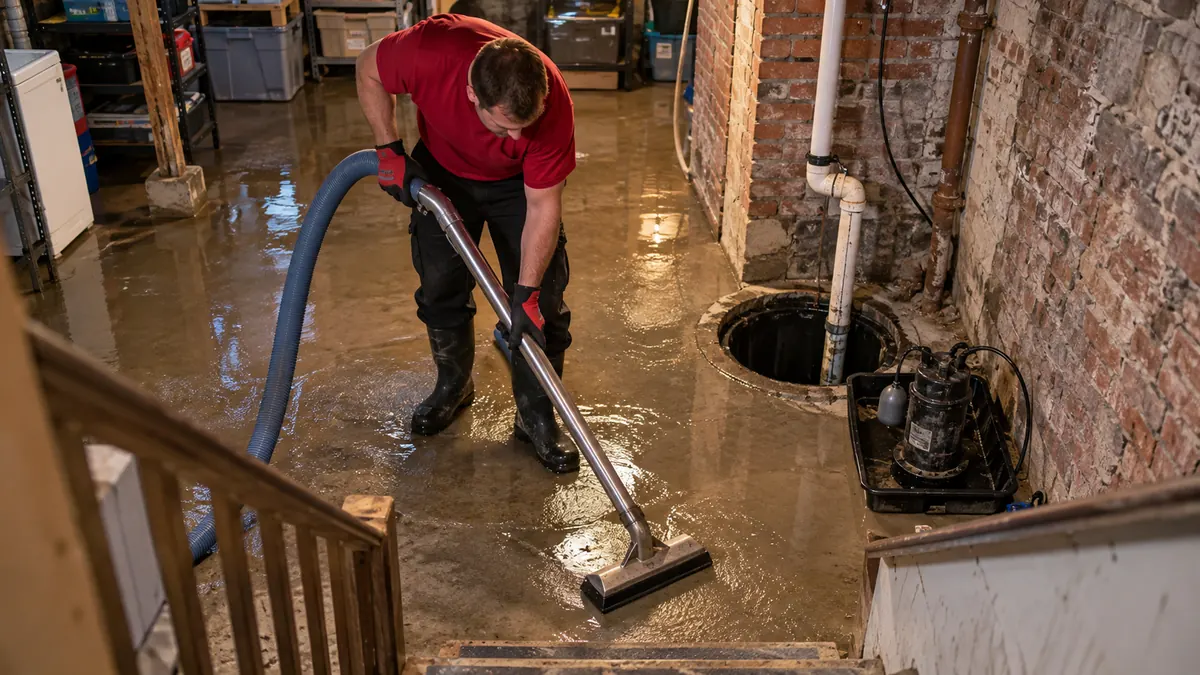
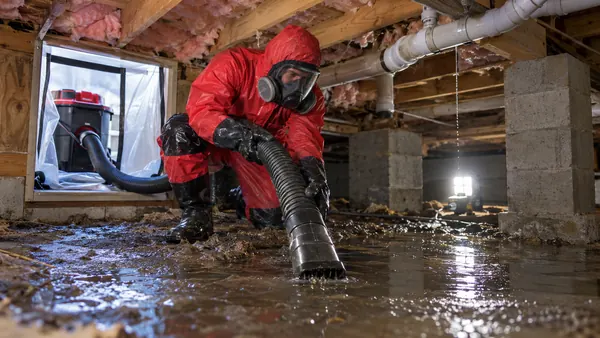
Tucker sits on a transitional red clay that holds water for days. During a long rain, the soil against a basement wall saturates and exerts steady sideways force.
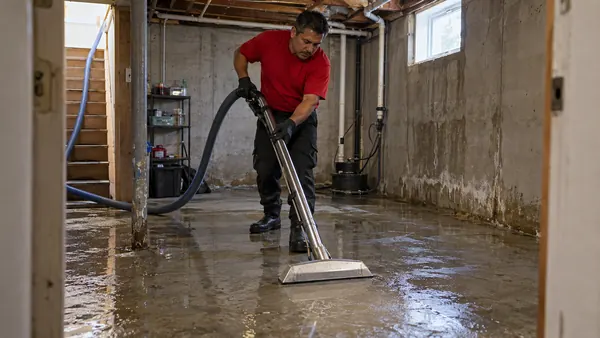
That force cracks mortar lines in block walls and pushes water through them. The pressure is highest on the downhill side of a sloped lot.
Finished lower levels
Split-foyer homes and brick ranches with daylight basements are common here. Their lower levels are often finished with drywall, carpet and furniture that homeowners treasure.
Water that gets behind the drywall wets the bottom plate and insulation. Mold develops in the dark, so by the time a smell appears it is already behind the wall.
Problems Tucker homeowners run into
- Side pressure that cracks block walls
- Saturated clay pushes sideways on a basement wall. Mortar lines open and water follows, mostly on the downhill side of the lot.
- Sump pits that cannot keep up
- A pit sized for ordinary rain may overflow in a three-day soak, and a single pump has no backup if the power goes out.
- Mold behind finished walls
- Paneling and drywall on the lower level hide wet insulation and framing. The first sign is a smell, not a stain.
- Stairwells that carry water down
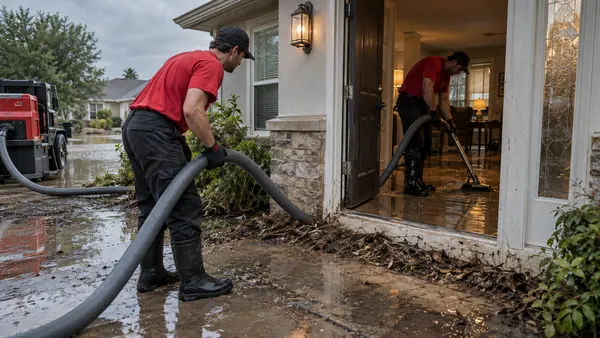
- Split-foyer stairs and exterior basement doors send runoff straight to the lower level during a heavy storm.
A typical Tucker call
After a wet week, the owner of a split-foyer home goes down to the finished lower level and smells damp. The family room carpet is dry on top, but the paneling along one wall has bubbled at the bottom and a bookcase has a ring on the floor underneath it.
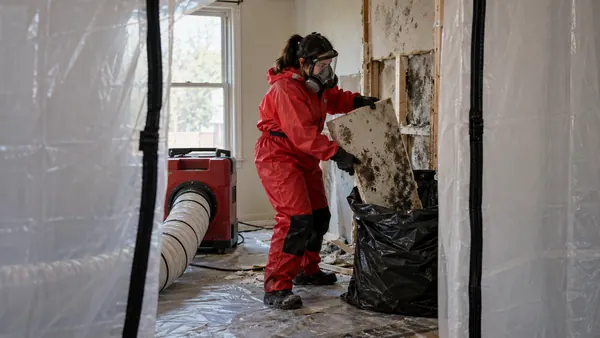
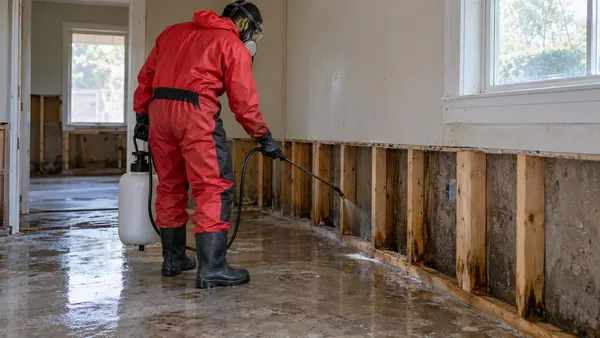
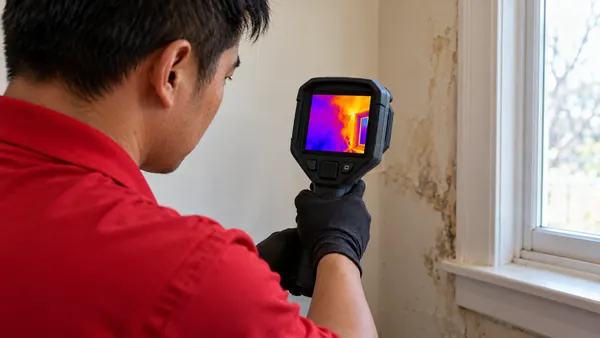
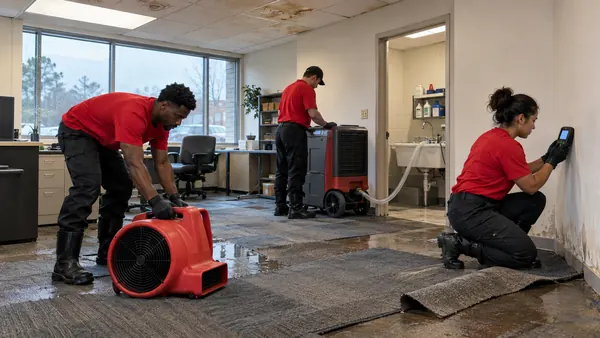
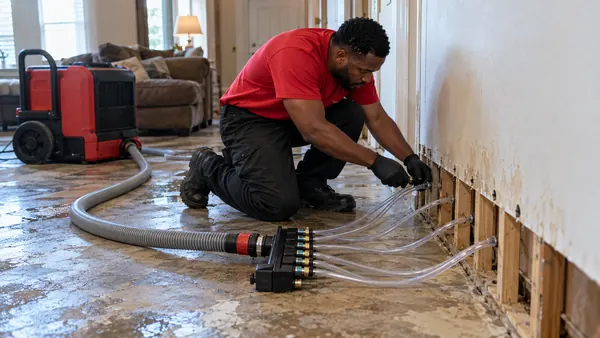
A meter confirms it. The block wall behind the paneling reads wet along the downhill side, and the insulation inside the framing is soaked. We pull the paneling at the base, cut the bottom of the drywall and remove the wet insulation. Behind it the back of the paneling has early growth where it sat against the wall.
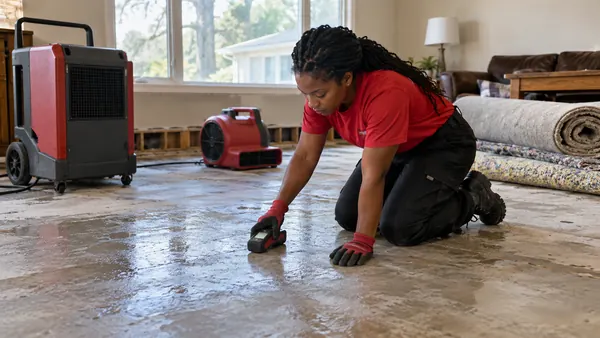
We clean and treat the block and framing, and dry the room for several days. The sump pit nearby turns out to be small for the lot, and the pump has no backup. We note both. The owner leaves with readings, photos of the wall and a short list for a plumber and a drainage contractor.
Protecting a finished lower level
The simplest protection is the boring kind. Keep furniture a few inches off outside walls, store valuables on shelves and keep the sump pit lid on.
After a long rain, touch the lower wall near the floor. Damp, cool drywall at the bottom is the first sign of seepage behind the finish.
- Furniture and boxes kept off the floor edge
- Battery backup for the sump pump
- Cool, damp drywall at the base of exterior walls
- Cracks in block walls photographed and dated
What we tell Tucker homeowners
A finished lower level hides its problems. Paneling, carpet and furniture sit against the wall, and the first sign is usually a smell, not a puddle.
If you notice that smell after a wet week, call before you start pulling things apart. A quick meter reading tells us whether the wall is wet, and it can save you from tearing out a dry room.
How the year goes in Tucker
Wet springs test the walls. Summer storms test the sump. Fall is a good time to add a battery backup, and winter cold affects the garage and the basement bathroom plumbing.
Winter and burst pipes in Tucker
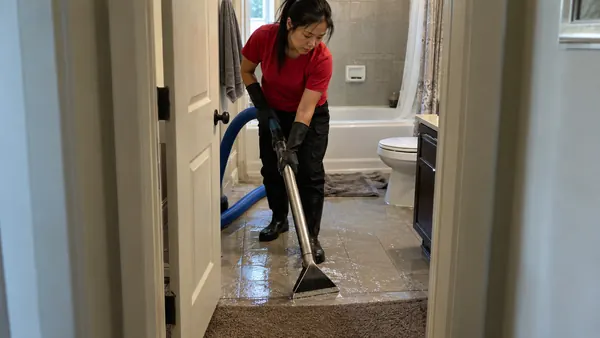
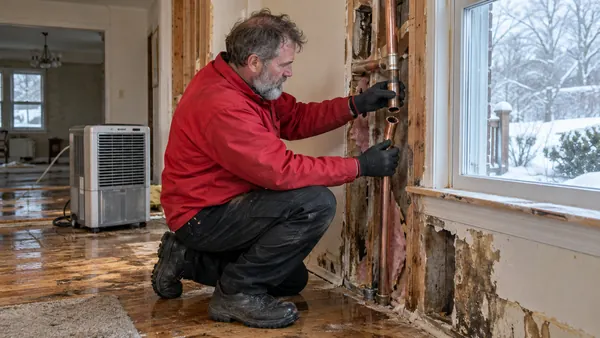
Split-foyer homes in Tucker put plumbing in the garage level and in a basement bathroom on an outside wall. When those lines freeze, the water lands on a finished lower level, and burst pipes there soak carpet and paneling quickly.
Water Damage Restoration Cost in Tucker, GA
Tucker basement work follows the bands below. They are typical estimates, not guaranteed prices, and a finished lower level moves the number up.
| Job type | Typical estimate |
|---|---|
| Clay-pressure seepage and drying | $1,200 – $3,000 |
| Finished lower level, walls and carpet out | $3,000 – $8,500 |
| Sump pump failure cleanup | $1,200 – $6,000 |
| Mold removal behind paneling | $1,500 – $8,000 |
| Antimicrobial treatment of block and framing | $300 – $2,500 |
| Thermal scan for hidden wet walls | $250 – $900 |
Typical estimates, not guaranteed prices. Plumbing, drainage and rebuilding are separate. Call for an exact quote.
What we get called for in Tucker
- Sump Pump Failure Flood CleanupPumps that fail when daylight basements need them.
- Hydrostatic Clay-Bowl Water ExtractionClay-pressure seepage through block walls.
- High-Humidity Structural Mold RemediationMold behind finished basement drywall.
- Post-Flood Antimicrobial TreatmentTreating block and framing after seepage.
Questions from Tucker homeowners
Why is the water on one wall?
The pressure is usually strongest where the lot slopes toward the house.
Do I need to remove drywall?
If it is wet from groundwater, the bottom is cut out. Dry sections can stay.
Will my sump pump keep up?
That depends on its size and the pit. We note what we see.
Can you handle mold behind paneling?
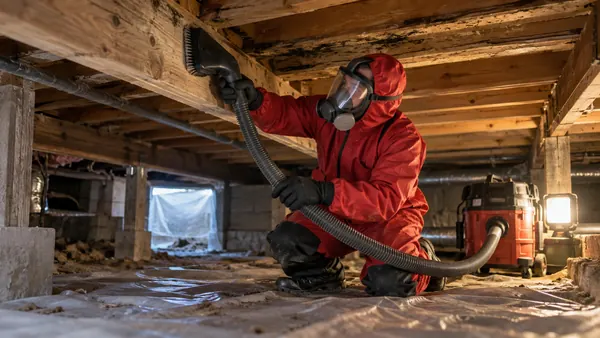
Yes, under containment.
Nearby communities we also cover
Tucker borders Lilburn, Doraville and north DeKalb communities, and we reach Peachtree Corners quickly.