

Swelling clay under a slab
Clay in this part of Gwinnett shrinks in dry spells and swells in wet ones. A slab that rides on that soil flexes slightly with the seasons, and the water lines under and through it flex with it.
After decades, copper lines wear against concrete and fittings. Small leaks start as pinholes. The water has nowhere to go but out sideways beneath the floor.
How slab homes hide water
Lilburn has many single-story ranches from the 1970s and 1980s. With no basement or crawl space, water goes under the flooring and finds the wall bottom plates. The wood absorbs it like a wick, and moisture climbs.
You may see a baseboard swell or a floor that cups, but by then the water has been working for weeks. Hardwood laid over the slab can trap it.
Problems Lilburn homeowners run into
- A supply line leaking under the slab
- Copper lines wear against concrete for decades. A pinhole leak spreads sideways under the floor and shows up as a warm spot, a high water bill or a swollen baseboard.
- Water wicking up wall bottom plates
- With no basement, the water climbs into the wood at the foot of each wall. The stain often appears a room away from the leak.
- Hardwood glued to the slab
- Glue-down floors trap water underneath. They can look fine on top while the slab and boards stay wet for weeks.
- Storm water near creeks and greenways
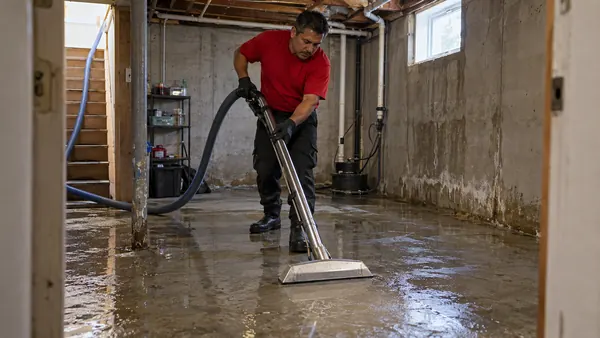
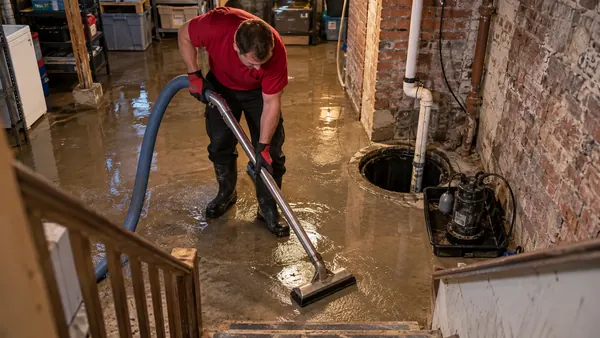
- Lower lots near Camp Creek collect runoff from higher streets. Water that crosses the threshold on a slab house spreads across the whole floor plan quickly.
A typical Lilburn call
The first sign was a water bill that nearly doubled in a month. Then the owner of a 1980s slab ranch noticed one warm patch of floor in the hallway and a baseboard that had started to swell. Nothing was dripping anywhere.
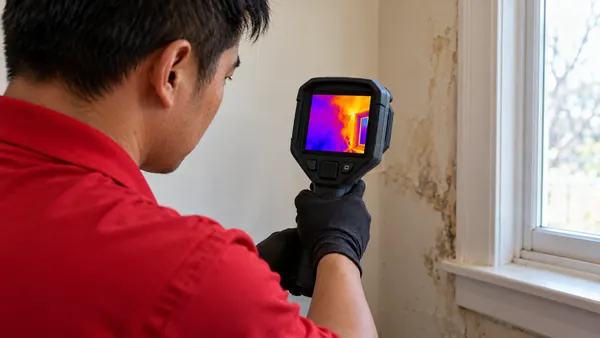
We scan the floor with a thermal camera and confirm with a meter. The wet zone runs from the water heater closet down the hall and into a bedroom, much bigger than the one stain. A plumber leak-tests the lines and finds a pinhole in the hot line under the slab, and we start drying the same afternoon so the wall plates are not left damp while the repair is scheduled.
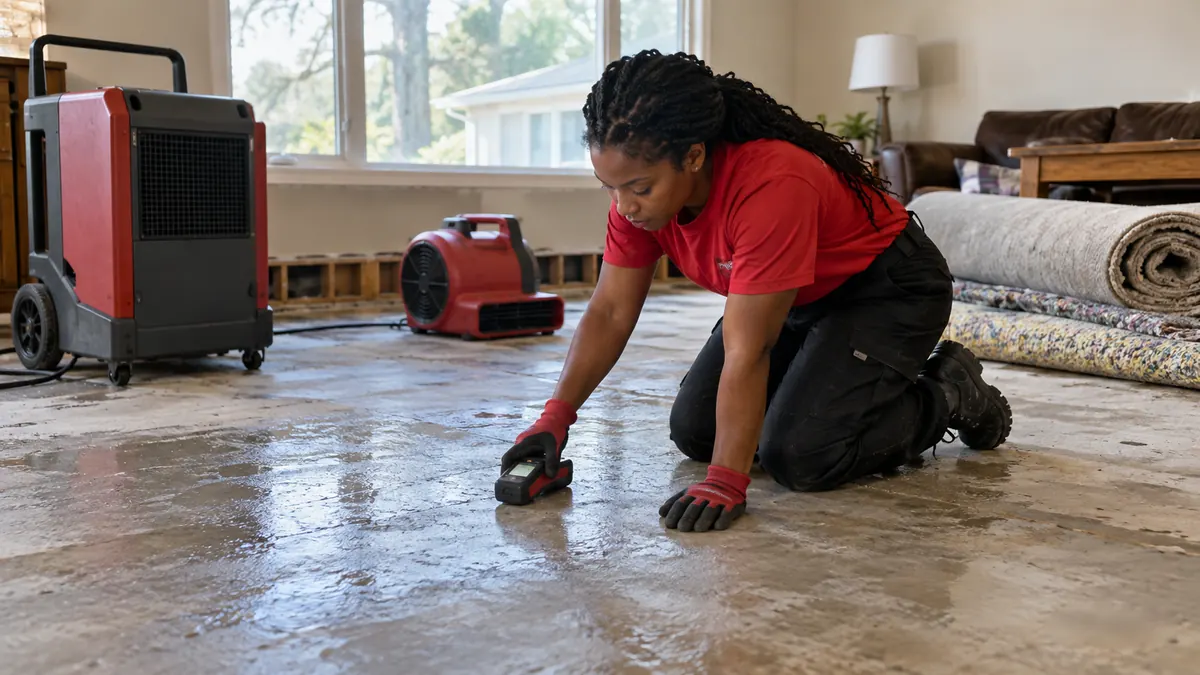
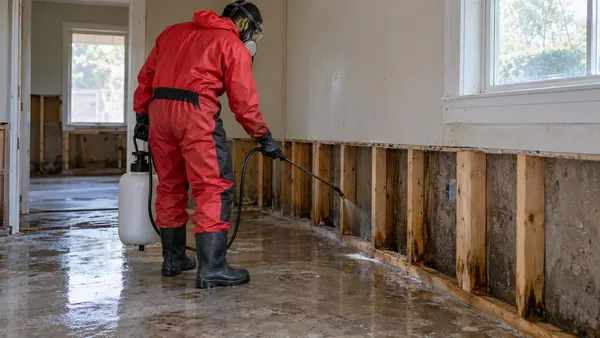
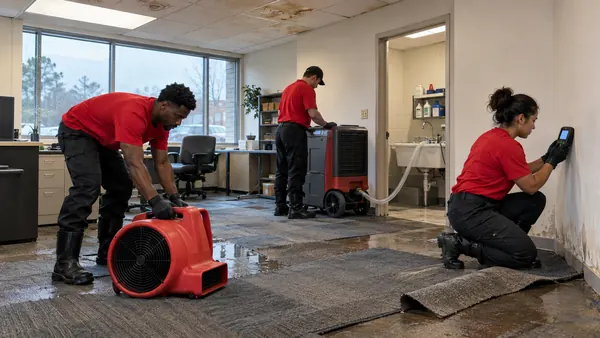
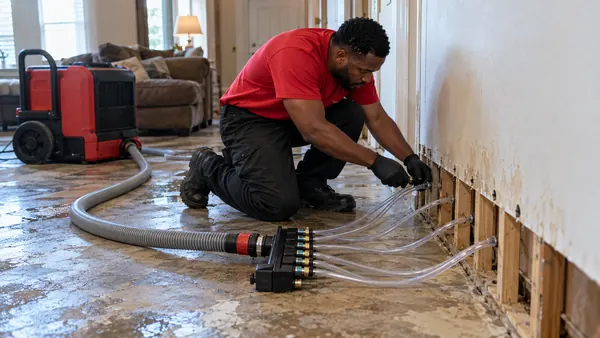
We lift the floating floor over the wet zone, cut the bottom inch of drywall at the swollen baseboard and set dehumidifiers and air movers. The slab takes the longest. After about a week of daily readings, the plates and the slab match dry areas of the same house and the owner can rebuild. The thermal images and logs go to the insurance company with the plumber's report.
Reading a slab house for early signs
A slab ranch gives few warnings, so small habits matter. Check the water meter with every tap off, and look at the dial again an hour later. If it moved, a line is leaking somewhere.
Walk the house in socks and notice warm spots on the floor, which can mean a hot water line under the slab.
- Meter dial that moves with every fixture off
- Baseboards that swell or pull from the wall
- Flooring that lifts at seams in one hallway
- Water bill up for no clear reason
What we tell Lilburn homeowners
Slab homes have no basement to warn you. Your strongest clues are the meter, the bill and warm spots underfoot, and those are easy to check in a few minutes.
If a leak is confirmed, call the plumber and us together. The pipe gets fixed while we start drying the floor plates, and the wood does not sit wet for another week.
How the year goes in Lilburn
Slab homes show leaks all year, so the water bill is the clearest calendar. Spring storms test low lots near the creek, summer humidity slows drying inside, and winter cold hits water heater closets and garage lines.
Winter and burst pipes in Lilburn
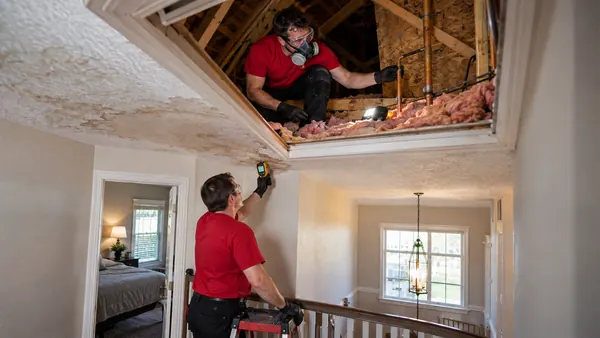
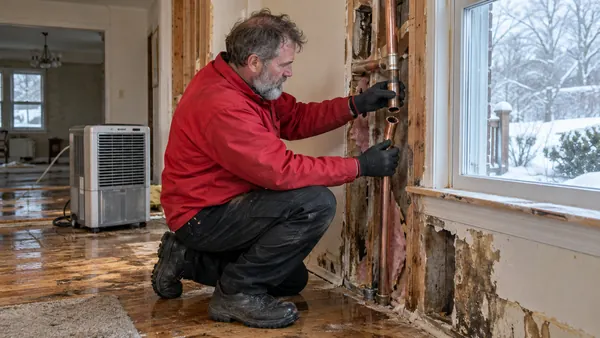
Slab ranches in Lilburn keep many lines in the attic and in the water heater closet on an exterior wall. A freeze there sends water down through a ceiling or out across a slab with no basement to catch it, so a burst pipe can reach several rooms quickly.
Water Damage Restoration Cost in Lilburn, GA
Slab and hidden-moisture jobs in Lilburn tend to land in the bands below. They are typical estimates, not guaranteed prices. A plumber's repair is separate.
| Job type | Typical estimate |
|---|---|
| Slab leak dry-out of floors, plates and walls | $1,500 – $6,000 |
| Thermal scan and moisture map | $250 – $900 |
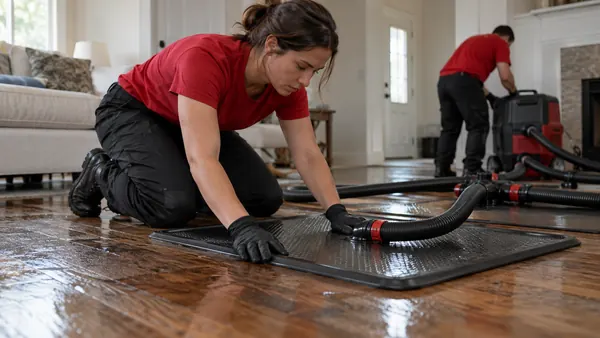
| Hardwood drying with mat systems | $1,000 – $4,500 |
| Wall cavity drying behind baseboards | $800 – $4,000 |
| Storm water cleanup on a low lot | $2,000 – $10,000 |
| Mold removal after a slow leak | $1,500 – $8,000 |
Typical estimates, not guaranteed prices. Plumbing, drainage and rebuilding are separate. Call for an exact quote.
What we get called for in Lilburn
- Slab Leak Structural Dry-OutWater under slab floors that climbs into plates and drywall.
- Thermal Imaging & Hidden Moisture MappingMapping hidden moisture under hardwood and in walls.
- Hardwood Floor Advanced Drying Mat SystemsSaving hardwood over a slab after a leak.
- Low-Elevation Flash Flood MitigationCreek-side lots that collect storm runoff.
Questions from Lilburn homeowners
How do I know I have a slab leak?
Rising water bills, warm floor spots, the sound of water and a meter that moves with everything off are the common signs.
Do you break the slab?
No. A plumber decides that. We dry the materials the leak soaked.
Can you dry a slab?
Yes, with dehumidifiers and time. Concrete holds water longer than wood, so we monitor it.
Will flooring need to come up?
Over the wet area, usually yes, at least temporarily.
Nearby communities we also cover
Lilburn shares borders with Peachtree Corners, Norcross, Tucker and Duluth. We cover all of them from the same crew.