


Heavy clay and old drains
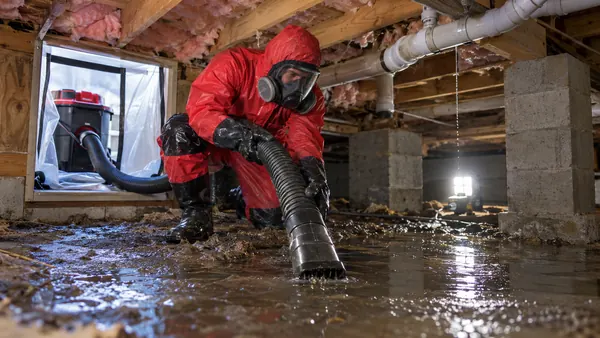
The clay in North Decatur is high in clay content and holds moisture. Perimeter footing drains, installed decades ago, tend to fill with silt. Once they clog, groundwater stays near the footing.
The crawl space then runs high in relative humidity, often above 75 percent, which is enough to support mold on wood.
Historic houses, damp crawls
Many homes here are historic bungalows and English Tudors on vented crawl spaces or partial basements. They have old framing, beams and original hardwood.
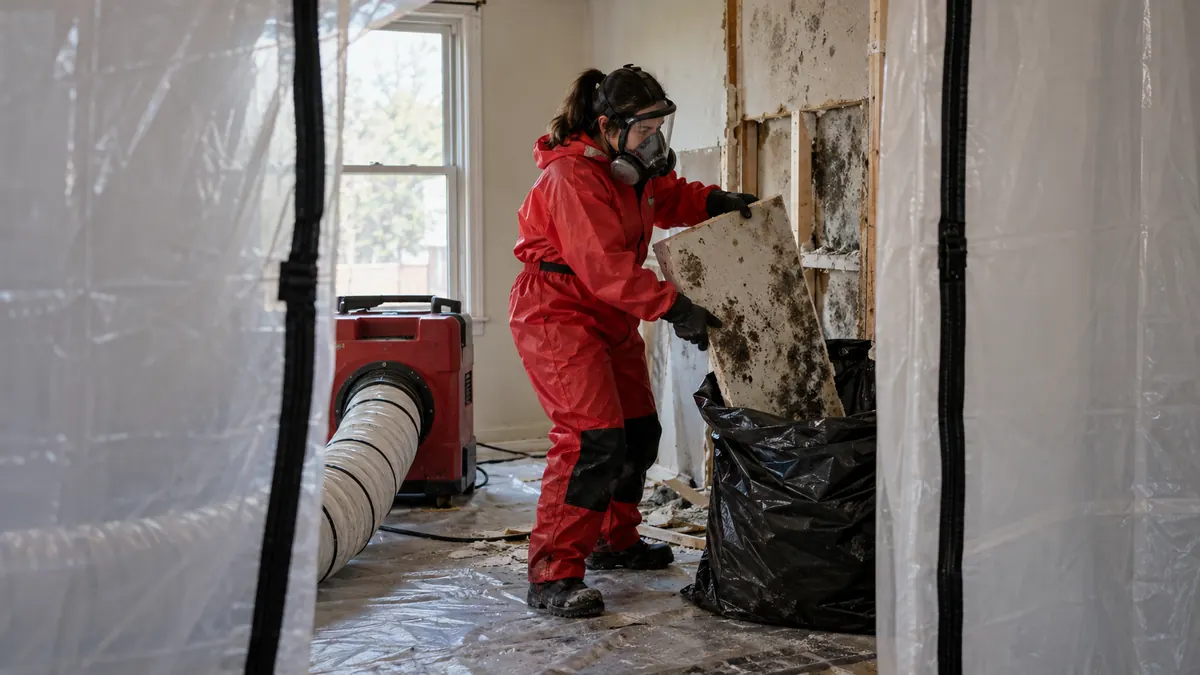
Chronic humidity under them causes fungal growth on subfloor and beams, and sometimes dark Stachybotrys-type growth in wet pockets. Careful cleaning, drying and a structural look are all part of the work.
Problems North Decatur homeowners run into
- Footing drains clogged with clay
- Drains installed decades ago fill with silt. Groundwater then stays near the footing, and the crawl space stays damp.
- Humidity above 75 percent under the house
- At that level mold grows on wood. Beams, joists and the underside of the subfloor all show it in time.
- Historic hardwood and plaster that are slow to dry
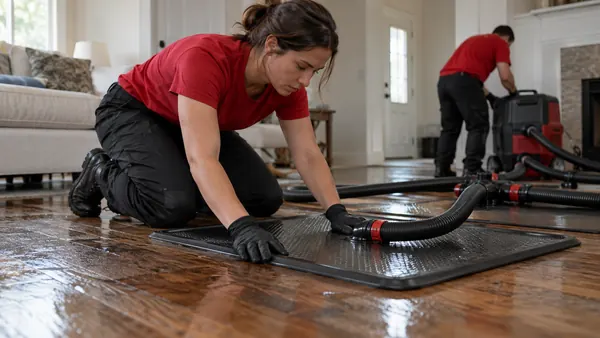
- Old floors and plaster hold moisture and release it slowly. Fast drying can crack them, so we dry gently.
- Clay sewer laterals with cracked joints
- Old tile lines let roots in and let water out. A backup or a leak under the house can go unseen for months.
A typical North Decatur call
A couple is about to buy a 1940s bungalow near Emory. During the inspection, the inspector sees dark staining on a beam in the crawl space and measures high humidity. The buyers ask for a closer look before they go on.
We scan the space and read the wood at several points. The humidity is well above what wood tolerates, the footing drain outlet in the yard is buried in leaves and silt, and one beam shows surface growth with a firm core. The original hardwood above shows slight cupping at the middle of the house.
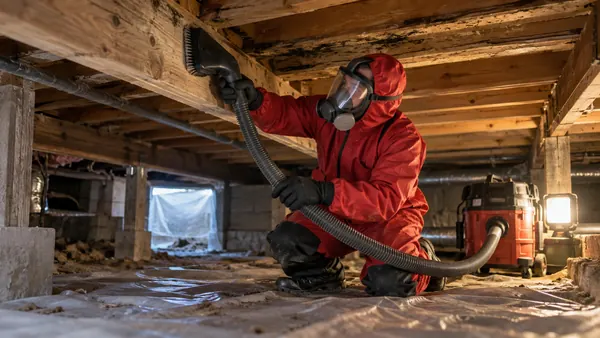
Because the house is old, we plan to dry gently. We clean the growth from the beam and joists with HEPA vacuums, treat the surfaces and run desiccant dehumidifiers instead of aggressive fans. The report separates cleaning, which we did, from drainage, which the sellers can address, and lets the buyers decide with facts instead of worry.
Old houses, simple checks
Historic homes hide moisture well. A few checks twice a year catch problems early, without hurting the house.
If you are buying one, ask for a moisture scan of the crawl space and the lower walls before closing.
- Footing drain outlets at the yard clear of leaves and silt
- Crawl space vents free of shrubs and debris
- Musty smell in the closets or the hall
- Original hardwood that cups near the middle of the house
What we tell North Decatur homeowners
Old houses breathe differently. Plaster, solid hardwood and original millwork absorb water slowly and release it slowly, so a loss that looks small can keep working for days.
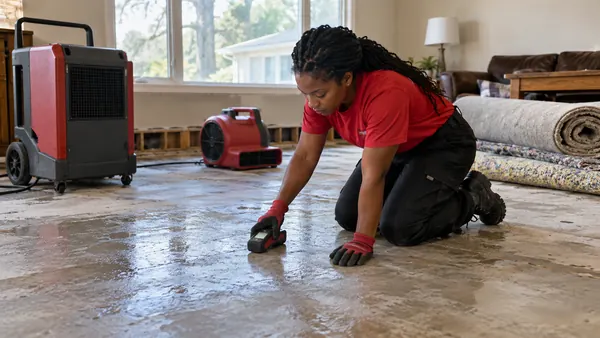
We dry gently, with desiccant units and steady heat, to avoid cracking plaster or splitting old boards. It takes longer than a quick blast of fans, and the house is better for it.
How the year goes in North Decatur
Humid summers are the main mold season for old crawl spaces. Wet springs fill the footing drains. Winter cold hits plumbing in unheated porches and attic runs.
Winter and burst pipes in North Decatur
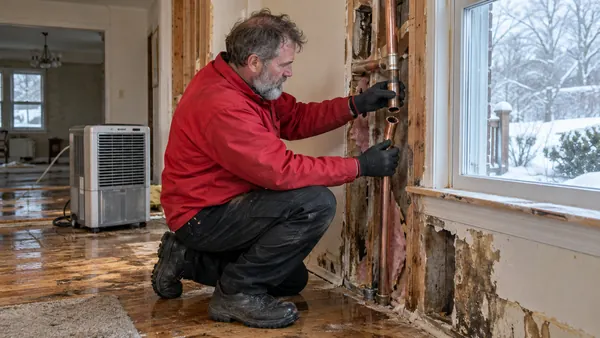
Older North Decatur houses often have bare pipes under porches and in crawl spaces, and long runs of aging copper or galvanized line. A freeze can crack them without notice, and burst pipes in old walls soak plaster that dries slowly.
Water Damage Restoration Cost in North Decatur, GA
North Decatur historic homes fall into these typical estimate ranges. They are not guaranteed prices, and gentle drying of old finishes can take longer.
| Job type | Typical estimate |
|---|---|
| Crawl space and beam cleaning, drying | $2,000 – $7,500 |
| Mold removal in a room or two | $1,500 – $8,000 |
| Hardwood floor drying | $1,000 – $4,500 |
| Wall cavity drying behind plaster | $800 – $4,000 |
| Moisture scan before a home purchase | $250 – $900 |
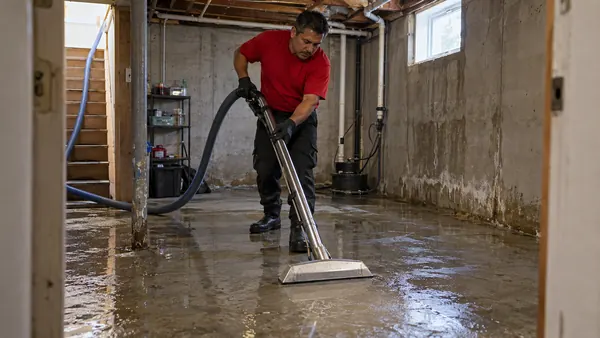
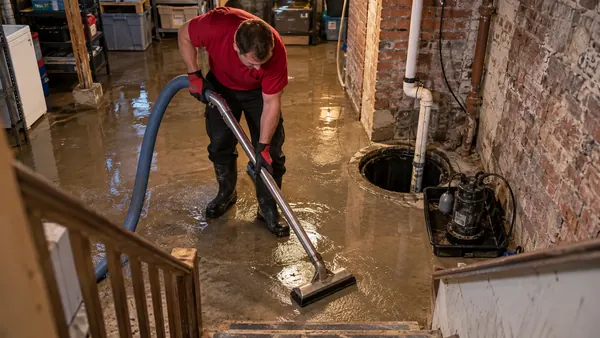
| Sewage cleanup under the house | $2,500 – $9,000 |
Typical estimates, not guaranteed prices. Plumbing, drainage and rebuilding are separate. Call for an exact quote.
What we get called for in North Decatur
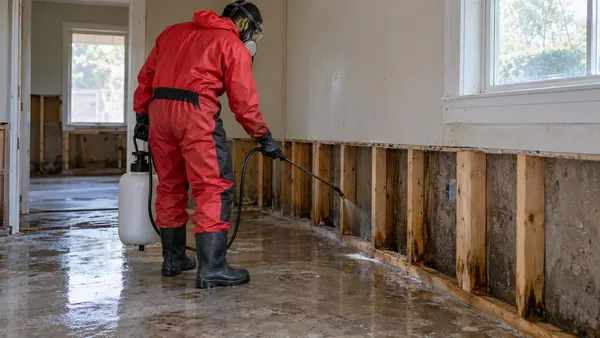
- Crawl Space Mold Remediation & Framing SanitationFungal growth on subfloors and beams under historic houses.
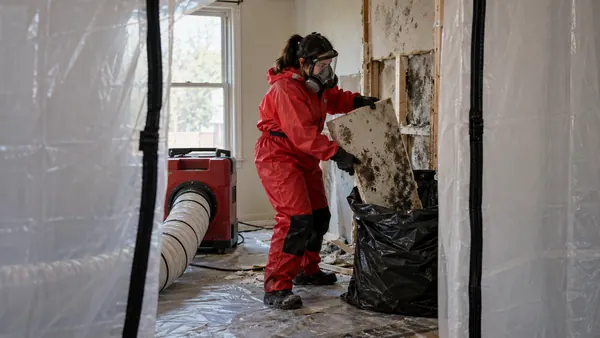
- High-Humidity Structural Mold RemediationBlack mold in walls after leaks.
- Hardwood Floor Advanced Drying Mat SystemsOriginal hardwood damaged by damp air.
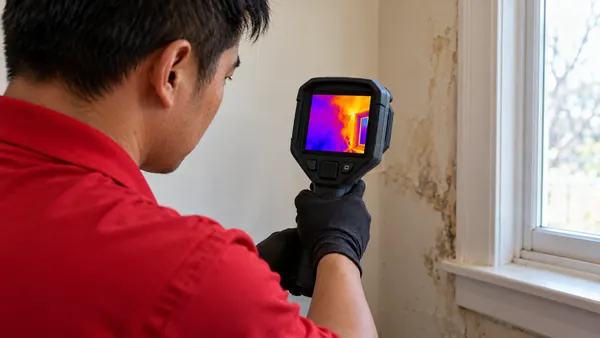
- Thermal Imaging & Hidden Moisture MappingPre-purchase moisture checks of old houses.
Questions from North Decatur homeowners
Is black mold common in old houses?
Wet pockets can grow dark mold of several types. Color alone does not identify it.
Can you protect historic trim?
We take care to remove and save trim where we can.
Do you work before a sale?
Yes. We can scan and document moisture.
Will drainage fix it?
It can help. We note where water is, and a contractor handles drains.
Nearby communities we also cover
North Decatur is close to North Druid Hills and Chamblee, and we serve both.